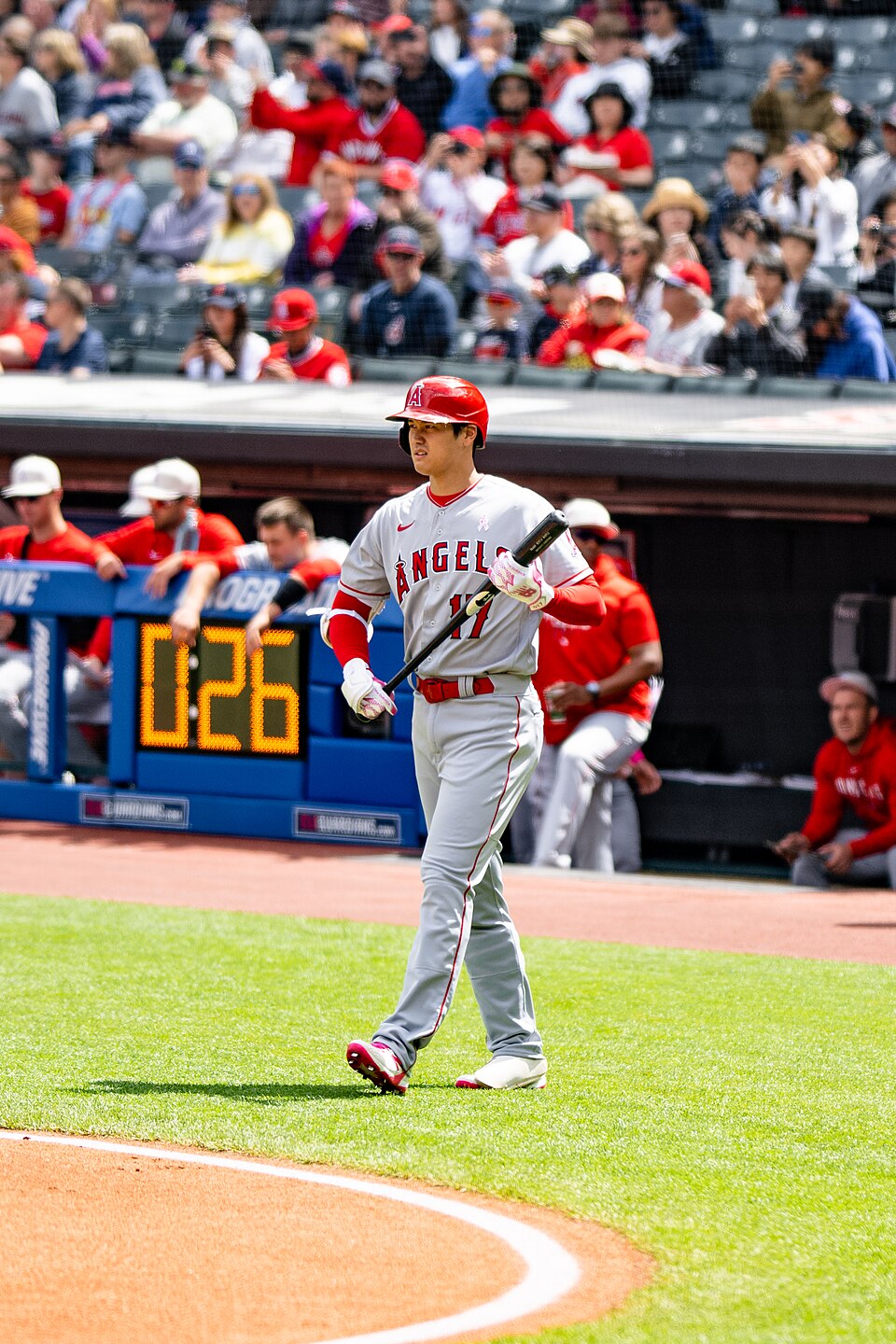
Best Shohei Ohtani Choices for Liquidity
The most liquid Ohtani cards are the ones collectors can identify quickly, compare against repeated sales, and evaluate with clear condition evidence.
Tag
A topic archive for Sports cards, designed to connect related guides, explainers, and market coverage.

The most liquid Ohtani cards are the ones collectors can identify quickly, compare against repeated sales, and evaluate with clear condition evidence.

The most iconic Ohtani options combine instant recognition, clear issue identity, condition evidence, and enough market depth to stay understandable.

The best Ohtani pick changes by budget: low-cost cards teach the market, rookie-year cards create a clear anchor, graded copies add condition language, and premium cards require much tighter research.

The best long-term Ohtani pieces combine recognition, condition clarity, liquidity, and a role that will still make sense when the market mood changes.

The best Ohtani options for new collectors are the ones that combine recognition, clean condition, clear pricing evidence, and a role you can explain.

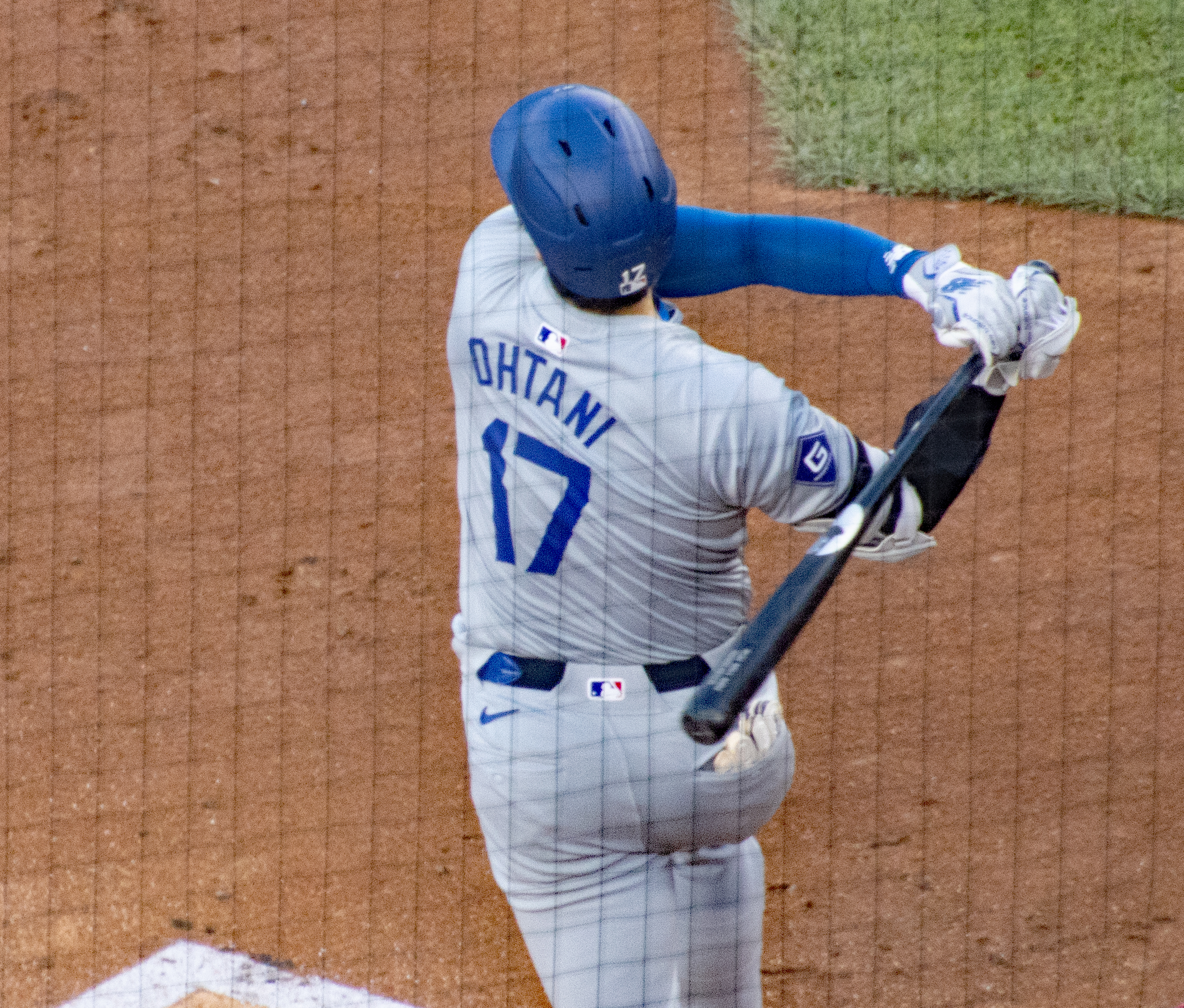
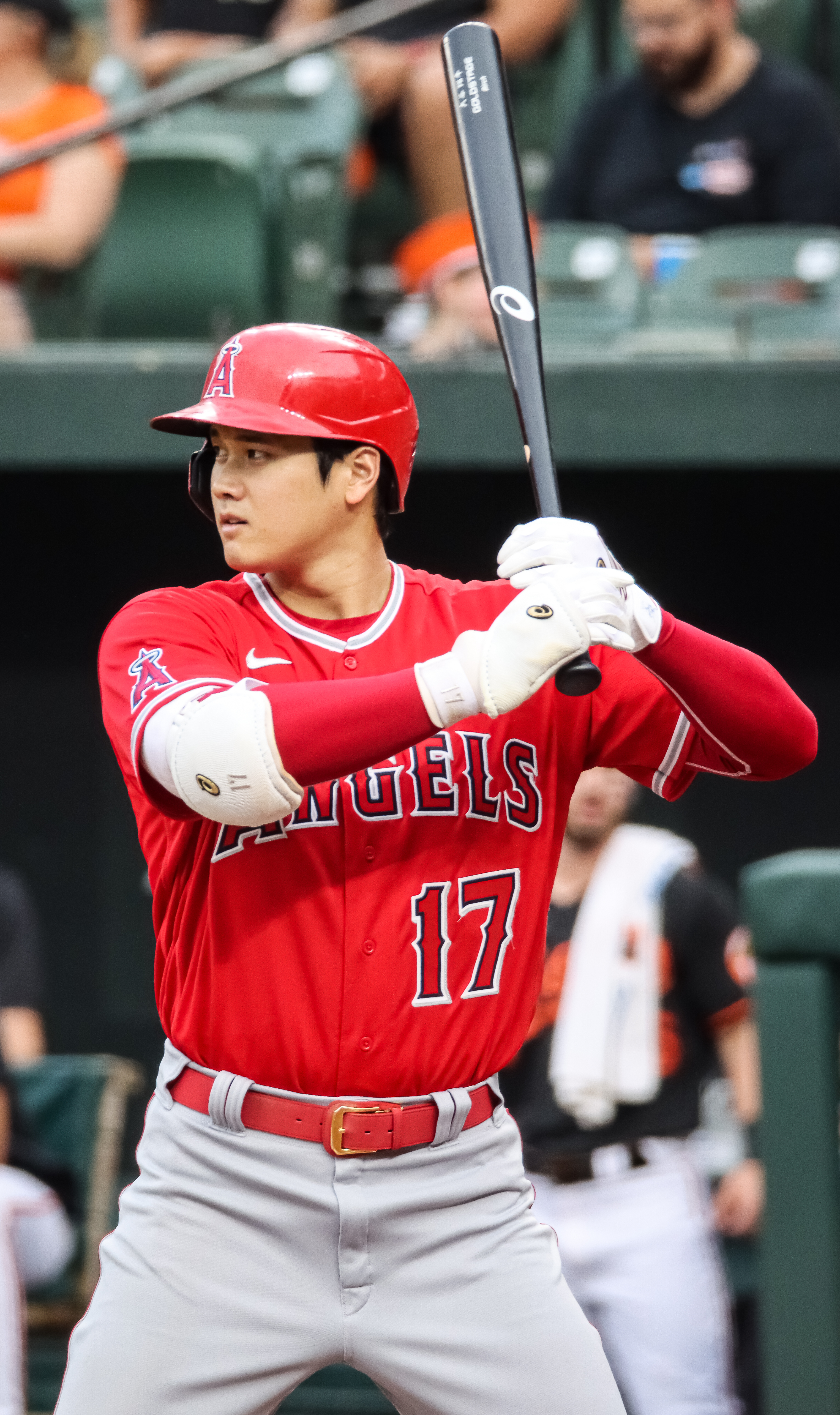
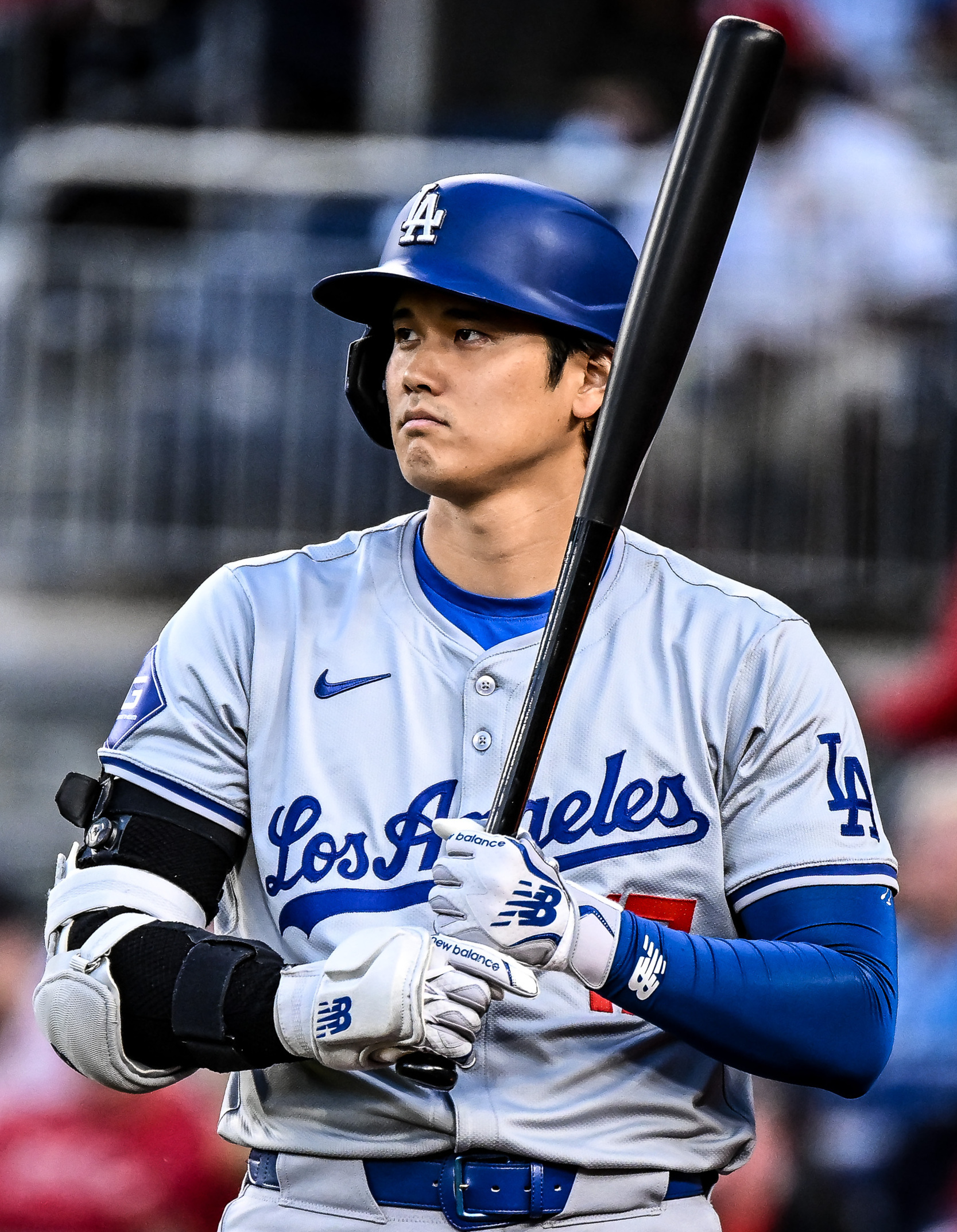
Collectors evaluating Shohei Ohtani need a framework that separates player excitement from card-level evidence.

Evaluating Shohei Ohtani cards confidently means checking the exact issue, condition, grade context, liquidity, and collection role before price.

Shohei Ohtani value comes from a rare player story, global demand, recognizable cards, condition sensitivity, grading clarity, and liquidity.

Shohei Ohtani cards are easier to buy well when collectors avoid vague rookie claims, inspect condition, verify slabs, and compare exact sales.

Shohei Ohtani card values can change sharply by condition when the exact issue has strong recognition, buyer depth, and clear demand for cleaner examples.

Buying Shohei Ohtani cards safely means separating player excitement from card-level proof: exact issue, condition, grade, liquidity, and seller trust.

Collectors evaluating Shohei Ohtani cards need context on recognition, rookie-year demand, condition, liquidity, and the trade-offs that affect long-term satisfaction.

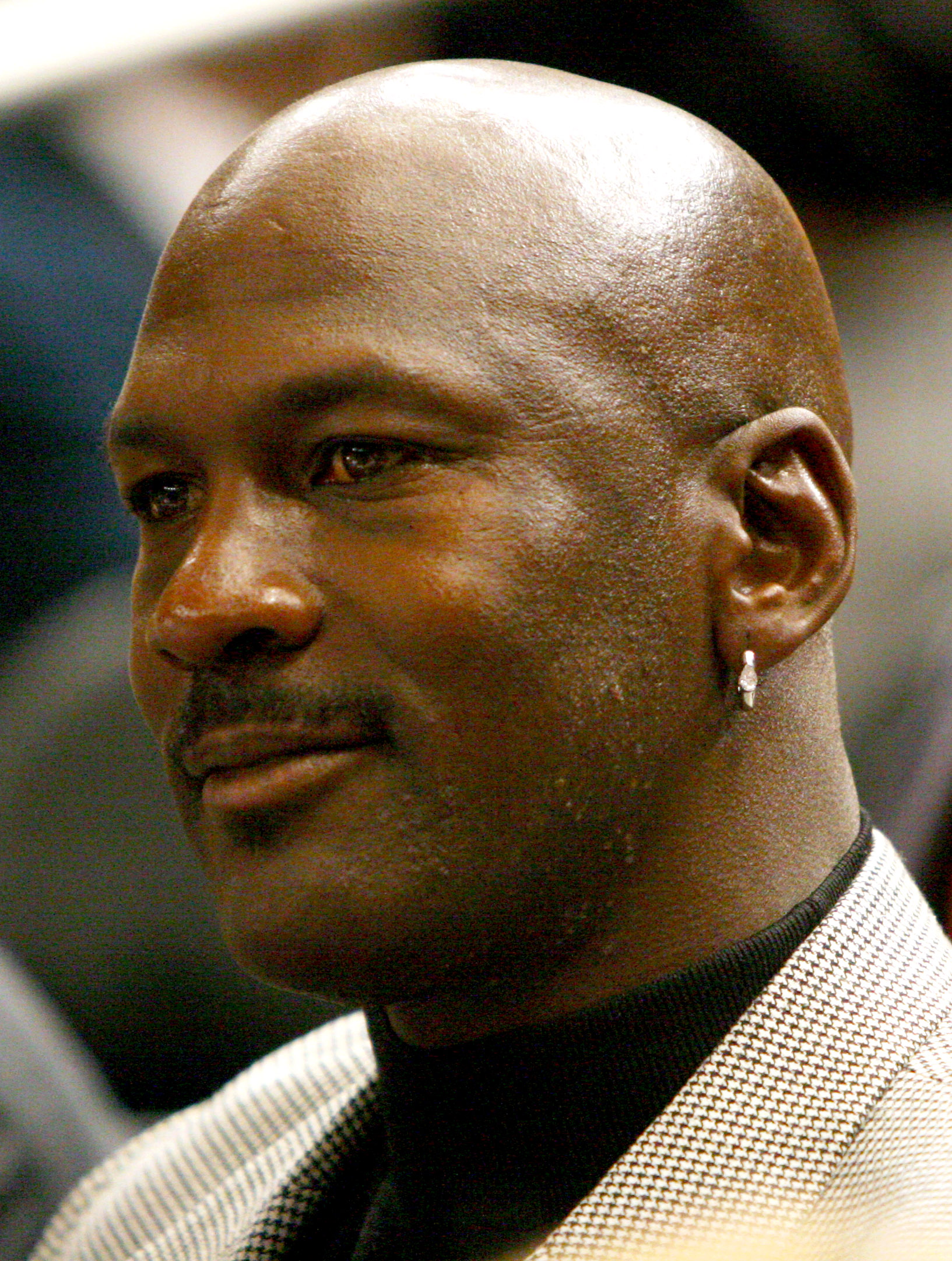
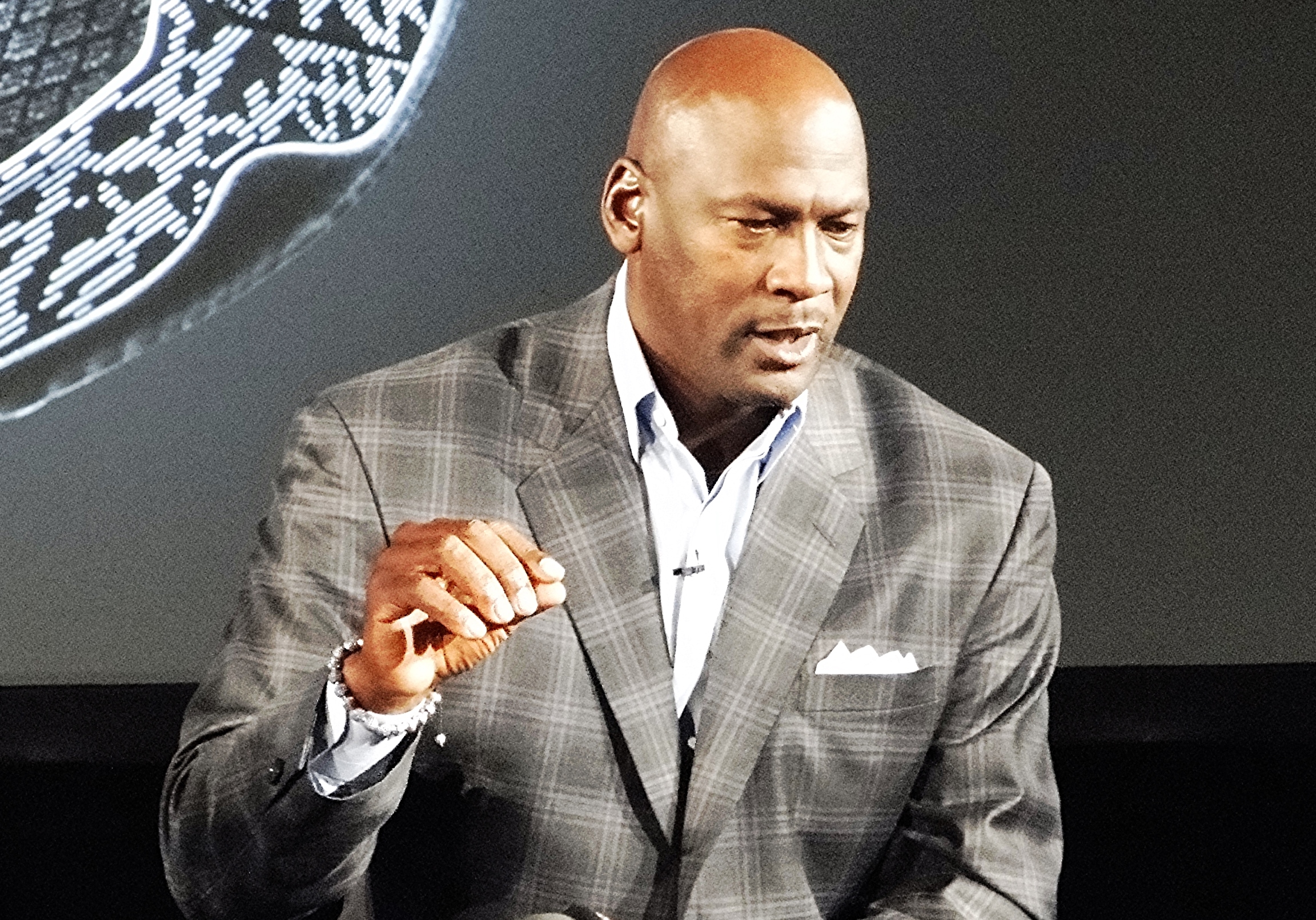
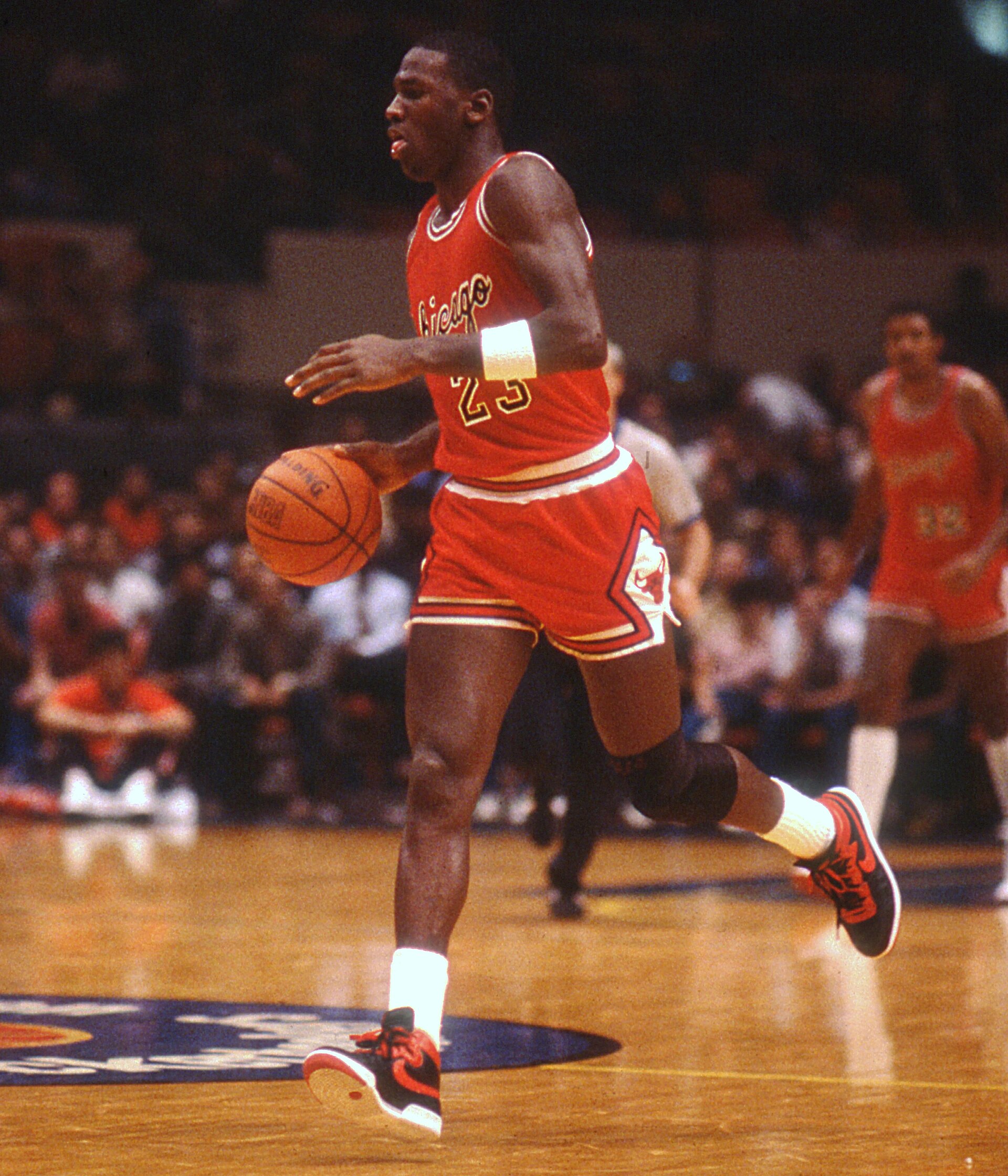
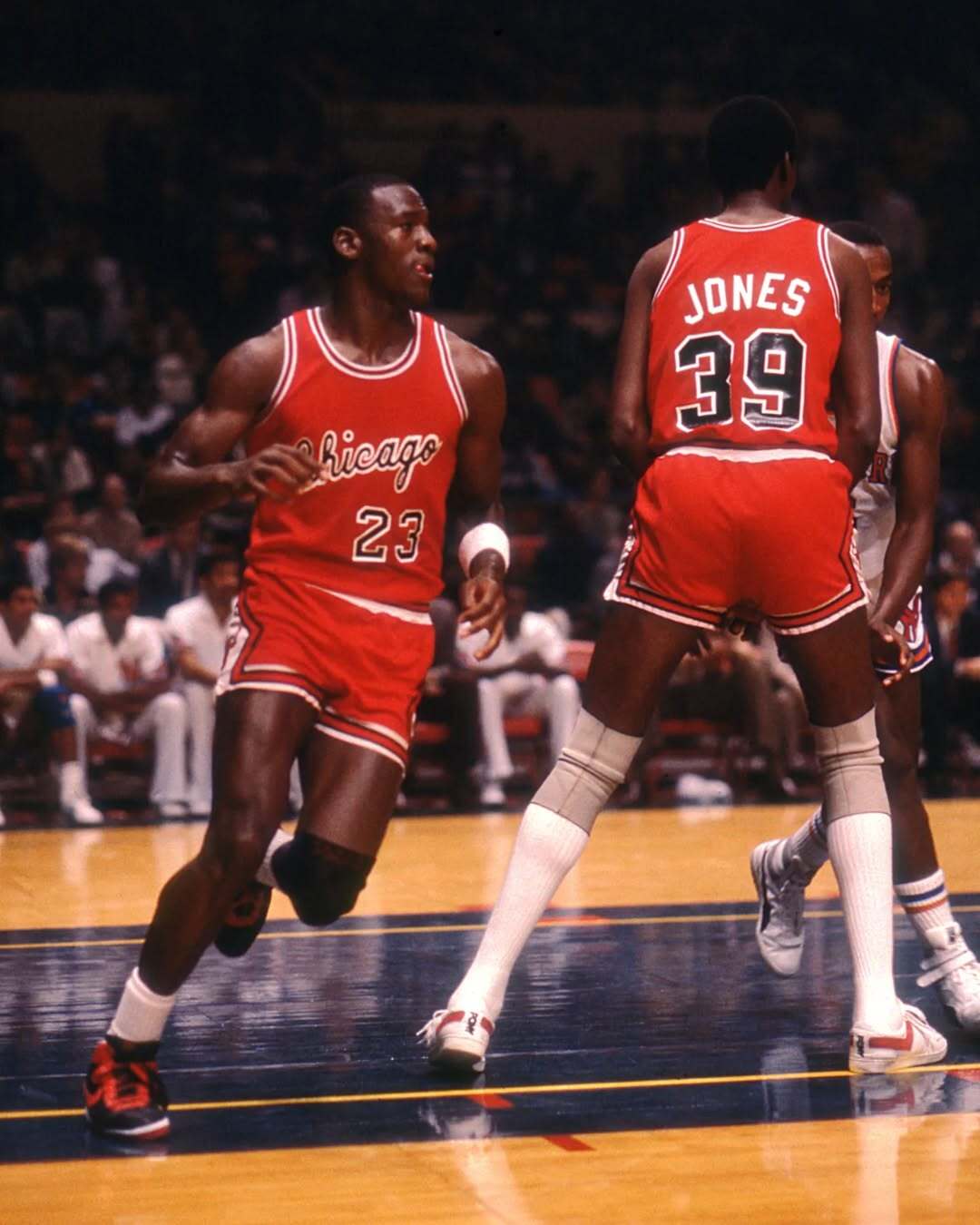
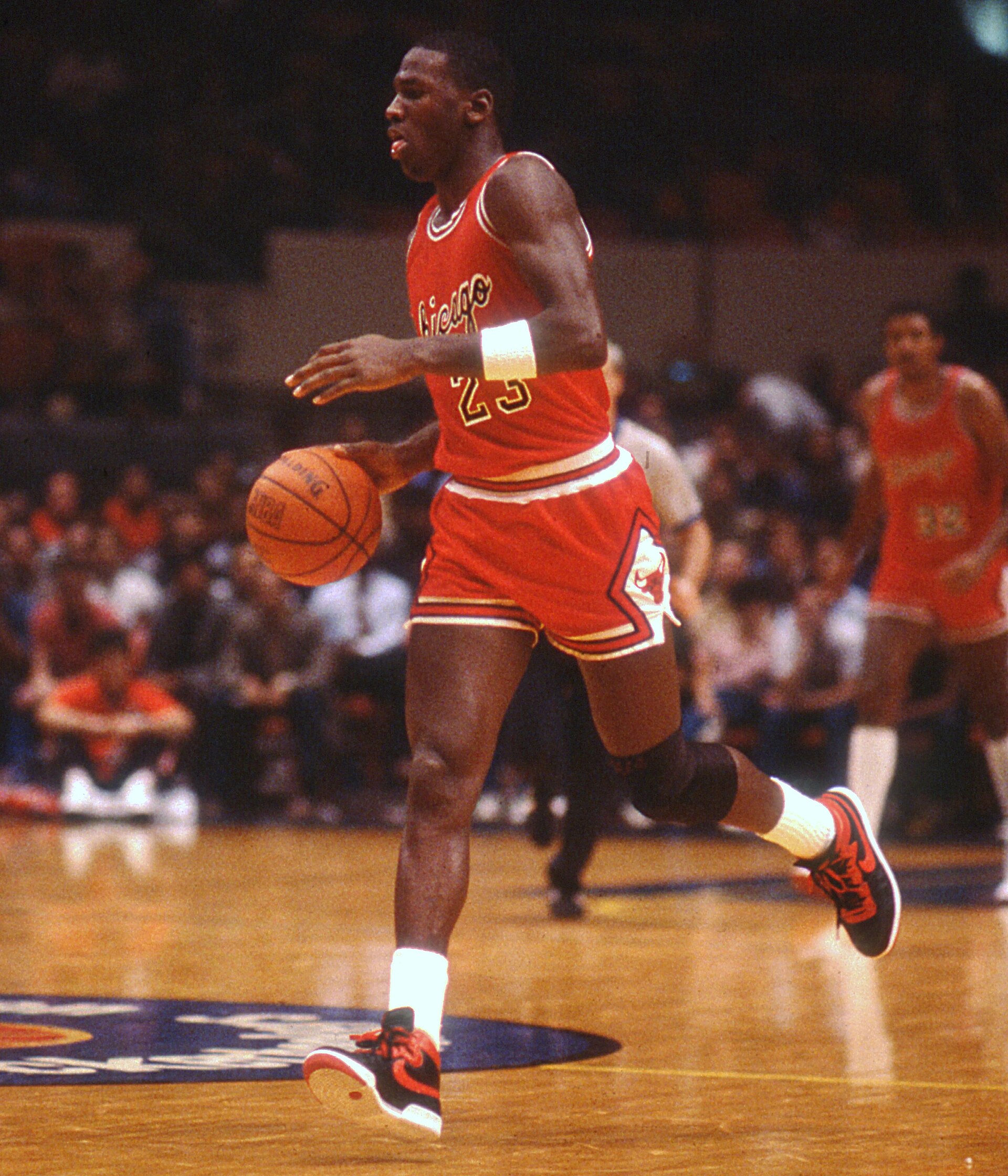
Michael Jordan cards remain a deep collecting category, but strong purchases depend on knowing which demand signals are durable and which are only noise.

Jordan cards can look obvious from a distance, but the best decisions come from knowing which market segment, grade, and buyer pool you are actually entering.

The Jordan market is deep, but strong decisions still depend on exact-card comparison, condition evidence, and realistic buyer depth.

The Jordan market rewards collectors who can separate strong cards from weak listings, vague comps, and seller-driven urgency.

Jordan demand is deep, but collectors still need to judge the exact card, exact copy, and evidence behind the asking price.

The Jordan market rewards specificity: exact card, exact copy, condition evidence, and realistic sales comparisons.

Collectors evaluating Michael Jordan need to separate name recognition from the exact card, exact copy, and evidence supporting the price.

The Jordan market is still built on broad recognition, but mature collectors now separate the athlete's legacy from the exact card, grade, condition, and liquidity.

The Jordan market is deep, but collectors still need to separate broad name recognition from exact-card quality, condition, and liquidity.

Jordan is an obvious collecting name, but the best beginner option is the card whose identity, condition, price, and role are easiest to defend.

Jordan usually wins on universal benchmark status, while Kobe can win on flexibility, budget range, and the ability to build gradually.

The best Michael Jordan entry points are not always the rarest cards. They are the cards that help collectors learn the market with cleaner evidence and fewer avoidable risks.

New Jordan collectors do better when early cards each have a job: one teaches grading, one teaches 1990s demand, one anchors the benchmark, and one stays personal.

Liquid Michael Jordan collecting favors cards with broad recognition, visible sales history, grading clarity, and enough demand to make pricing less speculative.

The most iconic Michael Jordan options are not just expensive cards. They are the cards collectors can recognize, authenticate, compare, and explain.

Michael Jordan collecting works best when budget decisions are paired with condition discipline, authenticity checks, and a clear sense of each card's role.

Long-term Michael Jordan collecting works best when buyers prioritize pieces that are recognizable, condition-transparent, authentic, and easy to explain.

New Michael Jordan collectors usually do better when they start with recognizable, easy-to-benchmark cards before moving into thinner or more speculative parts of the market.

Collectors evaluating Michael Jordan need to separate broad player importance from the specific card, condition, grade, and market evidence in front of them.

Collectors evaluating Michael Jordan need to understand card lanes, condition sensitivity, grading context, and buyer depth before comparing prices.

Collectors evaluating Michael Jordan need to separate player greatness from the specific card's identity, condition, liquidity, and role in the market.

Jordan cards reward careful collecting, but beginners can still overpay when they confuse player greatness with card-level strength, condition quality, and real buyer depth.

Michael Jordan cards are easier to judge when collectors separate player greatness from issue-level demand, condition quality, grading evidence, and realistic market depth.

Michael Jordan demand is powerful, but condition determines how much of that demand a specific card can actually capture.

Jordan cards can be highly collectible, but safe buying still depends on exact issue research, condition review, trustworthy certification, and realistic comparable sales.

Collectors evaluating Michael Jordan need a framework for separating player greatness from card-level strength, condition risk, liquidity, and long-term collection fit.

The LeBron James market has moved from broad star demand toward a more selective structure where exact card, condition, liquidity, and comparable sales matter more.

Collectors evaluating LeBron James need context on recognition, liquidity, condition sensitivity, and the trade-offs that shape real buying decisions.

LeBron James cards and Exquisite cards can both matter, but they serve different collectors, budgets, and risk tolerances.

Before buying LeBron James cards, collectors should understand what the exact card is, how condition drives value, and whether the price is supported by real market evidence.

New LeBron James collectors can make better first choices by matching each card to a role, checking exact identity, and testing liquidity before chasing rarity.

Buying LeBron James cards well means slowing down before the bid, proving the exact card, and making sure condition and market evidence justify the price.

New LeBron James collectors usually make stronger choices when they build a short list by role, then compare exact card identity, condition, grade, and liquidity before buying.

New LeBron James collectors can make calmer first purchases by choosing a card lane, checking exact identity, and comparing condition and liquidity before price.

New LeBron James collectors usually make better choices when they start with recognizable rookie-era cards and well-documented graded examples before moving into thinner premium lanes.

New LeBron James collectors usually make stronger choices when they build a short list by role, then compare exact card identity, condition, grade, and liquidity before buying.

The strongest entry points into LeBron James cards are not always the flashiest choices. They are the cards that help collectors learn the market with cleaner evidence.

Liquid LeBron James cards are not always the rarest cards. They are the cards collectors can recognize, compare, explain, and move with less friction.

Long-term LeBron James collecting is strongest when the card can be explained by identity, condition, liquidity, and role rather than hype alone.

The most iconic LeBron James options are the ones collectors can recognize, explain, compare, and connect to his rookie year or larger career story.

New LeBron James collectors usually do better when they start with recognizable rookie-era cards and well-documented graded examples before moving into thinner or more expensive lanes.

LeBron James cards exist at many budget levels, but every tier still requires discipline around recognition, condition, grade, and comparable sales.

Collectors evaluating lebron james usually need context on recognition, demand, and the trade-offs that affect long-term satisfaction.

Collectors evaluating lebron james usually need context on recognition, demand, and the trade-offs that affect long-term satisfaction.

LeBron James card values can move sharply by condition because collectors price the exact copy, not only the player name.

Buying LeBron James cards safely means slowing down, checking the exact copy, and making sure the evidence supports the price.

Collectors evaluating LeBron James need context on recognition, demand, condition, liquidity, and the trade-offs that affect long-term satisfaction.

Collectors evaluating Kobe Bryant need context on recognition, demand, liquidity, and the trade-offs that affect long-term satisfaction.

The Kobe Bryant market has evolved from broad emotional demand into a more selective collector category where recognition, condition, and liquidity carry more weight.

Collectors evaluating Kobe Bryant need context on recognition, liquidity, condition sensitivity, and the trade-offs that affect long-term satisfaction.

Bowman's Best can be a smart Kobe lane for collectors who understand its base, refractor, and atomic refractor tiers, but it is not automatically better than collecting Kobe Bryant more broadly.

Jordan often wins on all-time card recognition, while Kobe can win on flexibility, budget range, and the ability to build a more varied 1990s basketball collection.

Collectors evaluating Kobe Bryant usually need context on recognition, demand, and the trade-offs that affect long-term satisfaction.

The most iconic Kobe Bryant options usually earn that status through broad recognition, lasting demand, and enough market depth for collectors to compare them clearly.

New Kobe Bryant collectors usually do better when they start with recognizable, easy-to-benchmark cards before moving into thinner or more speculative parts of the market.

The best Kobe Bryant buy often changes with budget, because lower-budget collecting rewards clarity while larger budgets demand more discipline around premium selection.

Collectors evaluating Kobe Bryant usually need context on recognition, demand, and the trade-offs that affect long-term satisfaction.

Collectors evaluating Kobe Bryant usually need context on recognition, demand, and the trade-offs that affect long-term satisfaction.

Collectors evaluating Kobe Bryant usually need context on recognition, demand, and the trade-offs that affect long-term satisfaction.

Collectors evaluating Kobe Bryant usually need a framework for avoiding emotional buys, weak comps, and cards the broader market understands less well than they think.

Kobe Bryant values make more sense when collectors compare condition, eye appeal, and real sales together instead of assuming every copy of the same card trades alike.

Buying Kobe Bryant cards safely means checking authenticity, condition, comparables, and liquidity before nostalgia gets to set the price.

Kobe Bryant cards make more sense when collectors compare recognition, condition, liquidity, and price discipline together rather than leaning on nostalgia alone.
A useful tracker does more than list cards. It shows cost basis, storage, concentration, and the records you will wish you had later.