
Market Insight
How the Shohei Ohtani Market Has Evolved
The Ohtani market has expanded, but collectors still need to evaluate exact issue, condition, grade, liquidity, and realistic comparable sales.
June 25, 2026Shohei Ohtani
Tag
A topic archive for Shohei Ohtani, designed to connect related guides, explainers, and market coverage.
The Ohtani market has expanded, but collectors still need to evaluate exact issue, condition, grade, liquidity, and realistic comparable sales.

The Ohtani card market is broad, active, and story-driven, but collectors still need discipline around exact issue, grade, condition, and price.
Ohtani and Judge both matter to modern baseball-card collectors, but they solve different collecting problems depending on narrative, condition, liquidity, and budget.
Ohtani and Trout both matter to modern baseball-card collectors, but they solve different collecting problems depending on narrative, condition, liquidity, and budget.
Topps Chrome can be one of the clearest Ohtani lanes for collectors who understand surface quality and exact issue identity, but it is not automatically better than collecting Ohtani broadly.
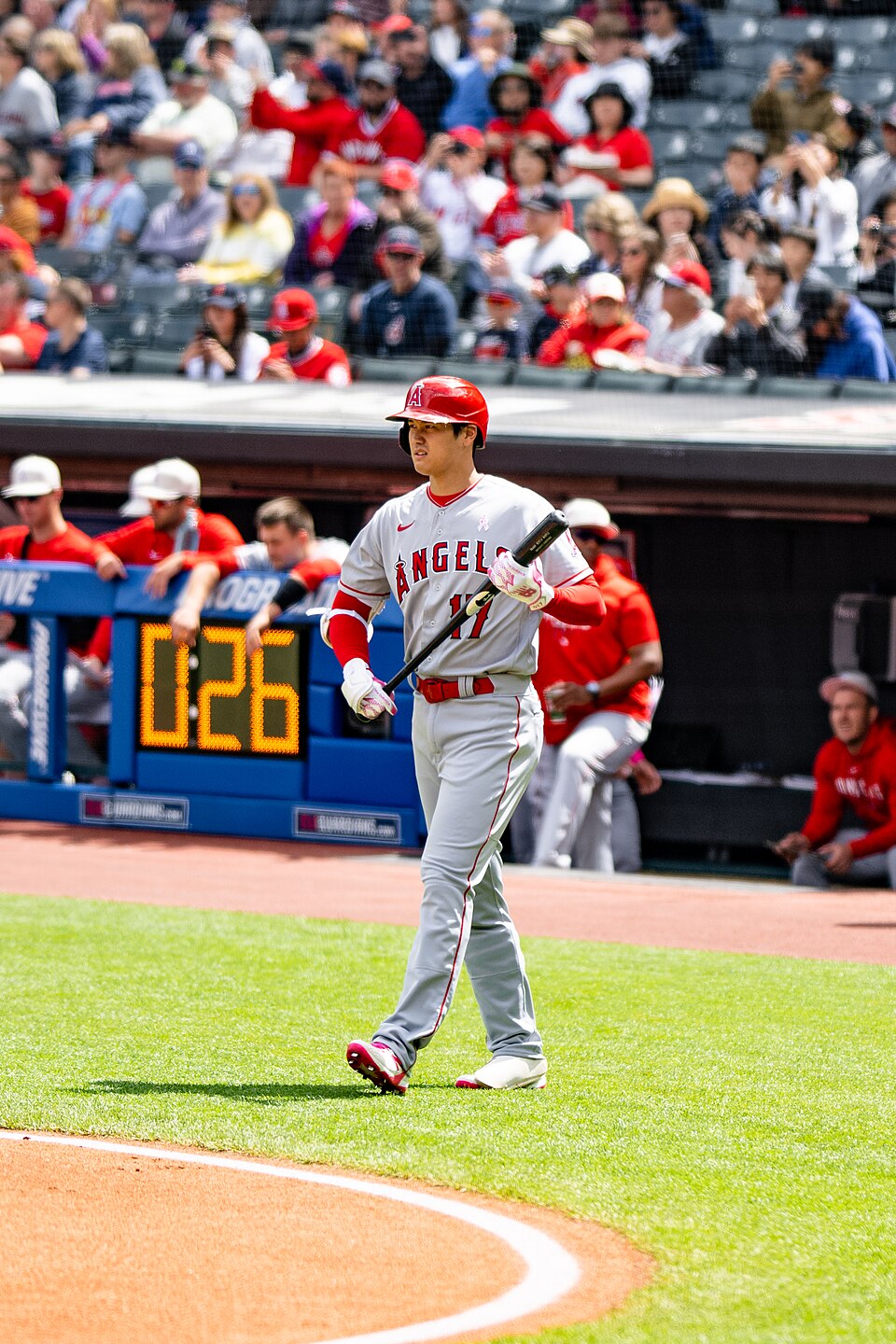
Bowman Chrome can be one of the clearest Ohtani lanes for collectors who understand exact issue identity, but it is not automatically better than collecting Ohtani broadly.
Before buying Shohei Ohtani cards, collectors should understand what the exact card is, how condition drives value, and whether the price is supported by real market evidence.
Collectors evaluating shohei ohtani usually need context on recognition, demand, and the trade-offs that affect long-term satisfaction.
Collectors evaluating shohei ohtani usually need context on recognition, demand, and the trade-offs that affect long-term satisfaction.
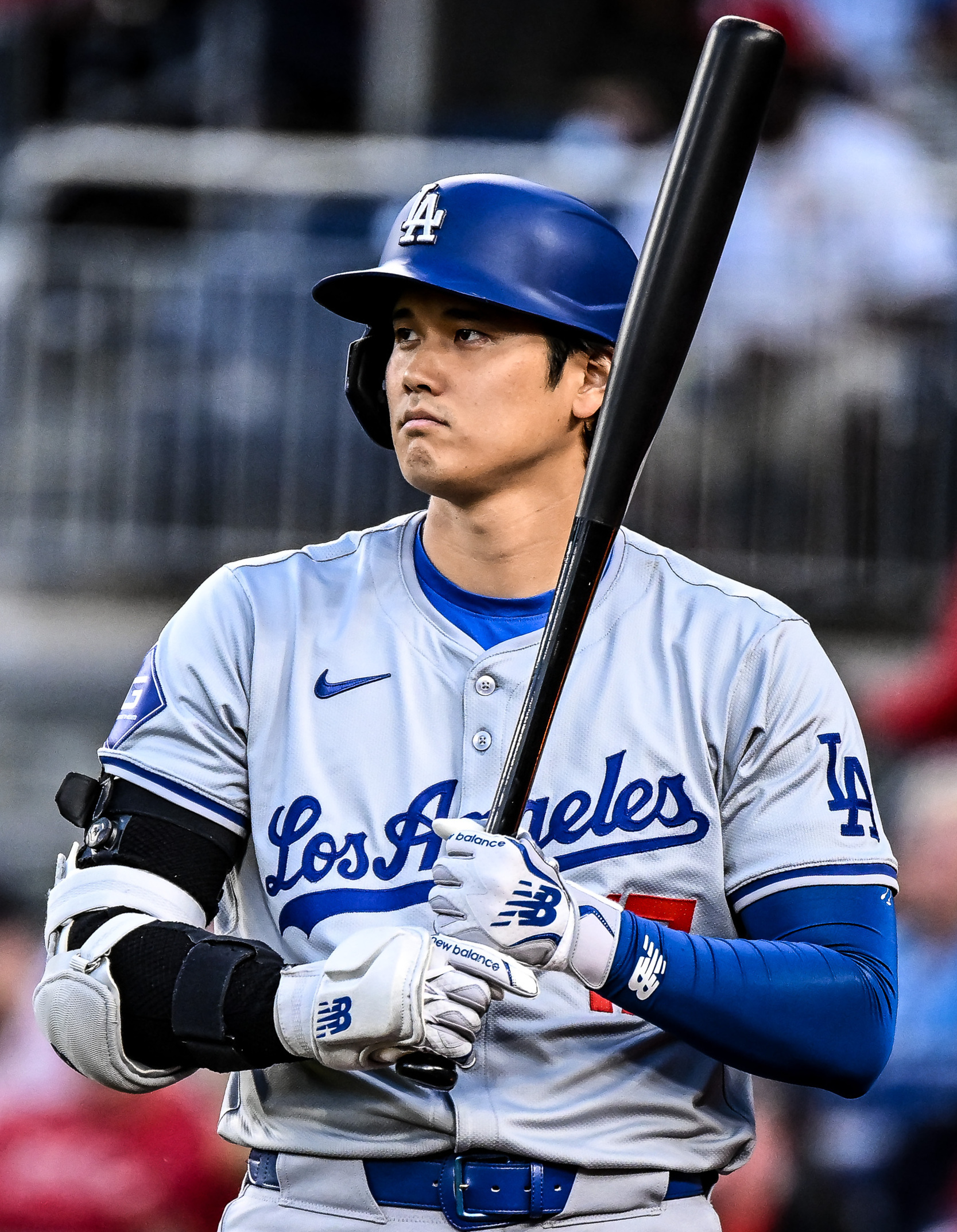
The best Ohtani options for new collectors are the cards that can be identified, inspected, compared, and kept for a clear reason.
The best Ohtani options for new collectors are the cards that can be identified, inspected, compared, and upgraded with patience.
The strongest Ohtani options for new collectors are the cards that can be identified, inspected, compared, and upgraded with discipline.
Ohtani has enough collector demand to make the obvious cards expensive and enough variety to make the obscure cards tempting. The best entry point sits between those extremes.
A new Ohtani collection works best when each card has a job: one to learn with, one to anchor the player story, and one to upgrade only after the evidence is clear.
The most liquid Ohtani cards are the ones collectors can identify quickly, compare against repeated sales, and evaluate with clear condition evidence.

The most iconic Ohtani options combine instant recognition, clear issue identity, condition evidence, and enough market depth to stay understandable.
The best Ohtani pick changes by budget: low-cost cards teach the market, rookie-year cards create a clear anchor, graded copies add condition language, and premium cards require much tighter research.
The best long-term Ohtani pieces combine recognition, condition clarity, liquidity, and a role that will still make sense when the market mood changes.
The best Ohtani options for new collectors are the ones that combine recognition, clean condition, clear pricing evidence, and a role you can explain.
Collectors evaluating Shohei Ohtani need a framework that separates player excitement from card-level evidence.
Evaluating Shohei Ohtani cards confidently means checking the exact issue, condition, grade context, liquidity, and collection role before price.
Shohei Ohtani value comes from a rare player story, global demand, recognizable cards, condition sensitivity, grading clarity, and liquidity.
Shohei Ohtani cards are easier to buy well when collectors avoid vague rookie claims, inspect condition, verify slabs, and compare exact sales.
Shohei Ohtani card values can change sharply by condition when the exact issue has strong recognition, buyer depth, and clear demand for cleaner examples.
Buying Shohei Ohtani cards safely means separating player excitement from card-level proof: exact issue, condition, grade, liquidity, and seller trust.
Collectors evaluating Shohei Ohtani cards need context on recognition, rookie-year demand, condition, liquidity, and the trade-offs that affect long-term satisfaction.